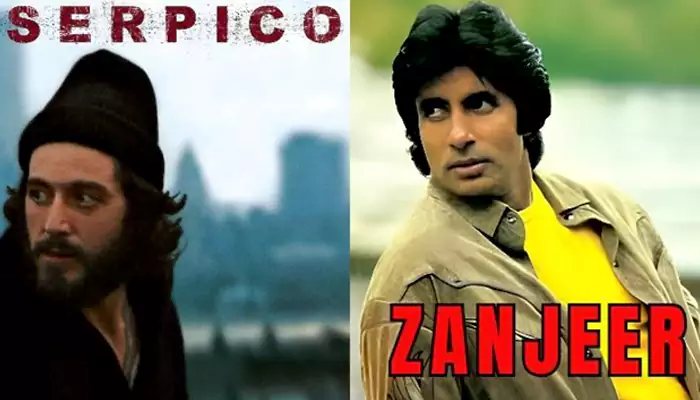
Satya to Sarkar: RGV’s Dark Cinema Legacy, A Birthday Tribute
- Soham Halder
- 5 months ago
- 3 minutes read

Happy Birthday Ram Gopal Varma: The Master of India’s Darkest Stories!
In an industry often defined by glamour and escapism, Ram Gopal Varma carved a niche that was starkly different: dark, intense, and unapologetically real. His films didn’t just entertain; they unsettled, provoked, and made audiences confront uncomfortable truths.
On his birthday, it’s the perfect moment to revisit his journey from Satya to Sarkar, a legacy that redefined crime cinema in India.
The Beginning of a Dark Revolution
When Ram Gopal Varma entered Bollywood, crime films followed a predictable pattern, loud villains, heroic cops, and dramatic showdowns.
RGV changed that narrative.
With Satya, he introduced a new kind of storytelling. The film took viewers deep into the underworld of Mumbai, portraying gangsters not as caricatures but as complex, flawed individuals.
The raw dialogues, realistic settings, and intense performances made Satya a cult classic.
The Rise of Realism in Crime Cinema
What made RGV’s films stand out was their authenticity.
He focused on the psychology of characters, their fears, ambitions, and moral dilemmas. His storytelling blurred the line between right and wrong, making audiences question their own perceptions.
Unlike traditional films, there were no clear heroes or villains, just people navigating a dangerous world.
Expanding the Dark Universe with Company
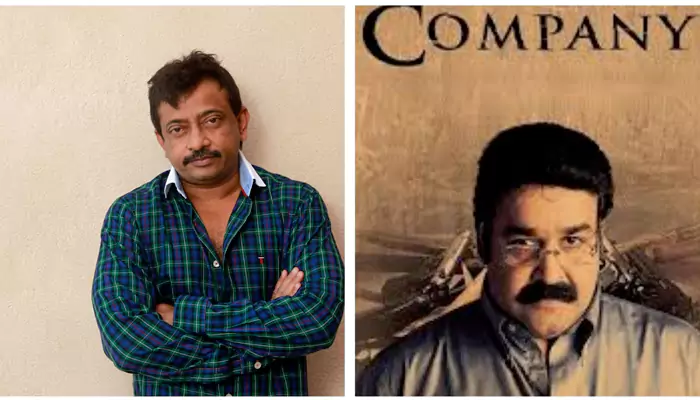
After Satya, Ram Gopal Varma expanded his vision with Company.
The film explored the organised structure of the underworld, presenting it almost like a corporate entity. It was stylish yet grounded, offering a deeper look into crime networks and their operations.
With Company, RGV proved that crime cinema could be both intelligent and commercially successful.
Power, Politics, and Sarkar
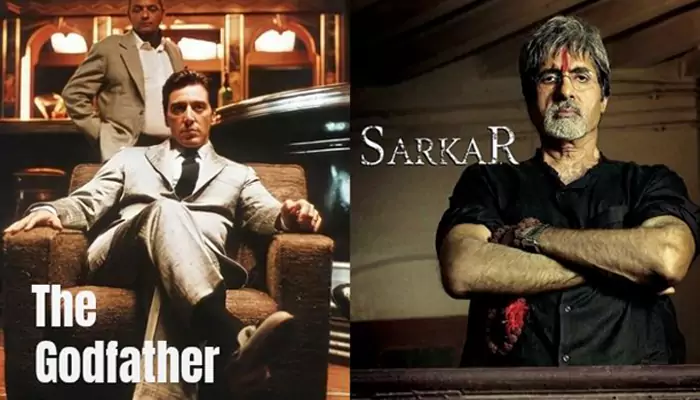
If Satya was about survival and Company about structure, Sarkar brought power and politics into the mix.
Inspired by global classics, Sarkar explored the dynamics of authority, loyalty, and control. The film’s dark tone, powerful performances, and gripping narrative made it one of RGV’s most iconic works.
It wasn’t just a crime film, it was a study of power and its consequences.
A Signature Style That Changed the Game
RGV’s filmmaking style became as influential as his stories.
From unconventional camera angles to minimalistic lighting and haunting background scores, his films created a tense, immersive atmosphere. He avoided unnecessary glamour, focusing instead on mood and realism.
This distinct style has influenced countless filmmakers and continues to shape modern crime storytelling.
A Rebel Who Embraced Risks
Ram Gopal Varma’s career is defined by his fearless approach.
He has never shied away from experimenting, even if it meant facing criticism. While not every project has been successful, his willingness to take risks has kept his work fresh and unpredictable.
This rebellious spirit is what makes him one of the most unique voices in Indian cinema.
The Lasting Impact of RGV’s Dark Cinema
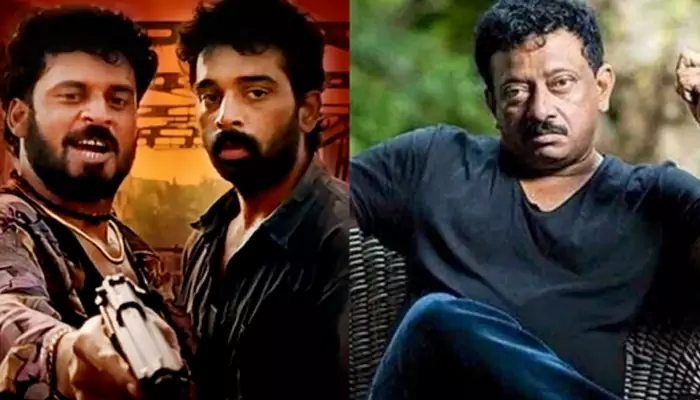
Today, the influence of RGV’s work can be seen across films and web series.
The gritty realism, layered characters, and morally complex narratives that define modern crime dramas owe much to his vision.
He didn’t just create films — he created a genre.
Celebrating a Bold Legacy
As Ram Gopal Varma celebrates his birthday, his journey from Satya to Sarkar stands as a testament to the power of fearless storytelling.
He changed how crime stories are told in India, proving that cinema doesn’t always have to be comfortable to be impactful.
And in doing so, he ensured that his legacy will remain as intense and unforgettable as his films.