On this Day in 1995 : India's WTO Superpower Moves that Saved ₹ Crores on Generic Medicines So You Pay Less for Health
- Devyani
- 9 months ago
- 3 minutes read
While the world signed away its medical secrets in 1995, India’s crafty WTO maneuvers ensured that your local pharmacy stays cheap, saving the common man thousands in life-saving bills.
Imagine waking up in January 1995. The air in Delhi is crisp, and while most were nursing New Year hangovers, a small band of Indian negotiators was effectively saving your future bank account from total annihilation. This was the birth of the World Trade Organization (WTO). For many, it sounded like just another boring alphabet soup of bureaucracy - GATT, TRIPS, trade barriers. But underneath the legalese, a war was brewing over who gets to make your medicine and, more importantly, who gets to afford it.
The Great Patent Tightrope
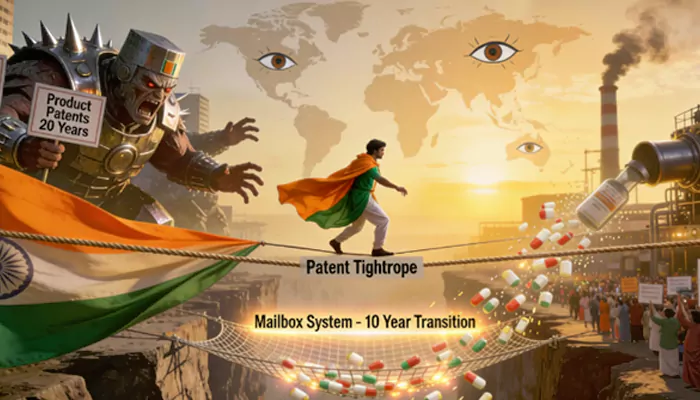
Western pharma giants wanted total control. They pushed for "product patents”, a fancy way of saying nobody else could touch their formula for twenty years. If India had blinked, those ₹500 life-saving tablets might have cost ₹5,000 overnight. Instead, India played a masterstroke. We negotiated a ten-year transition period - a "mailbox" system - that let our local generic makers keep churning out affordable versions of global drugs while the world watched in frustration.
I reckon it was the ultimate underdog story. While big nations expected us to fall in line, we leveraged the TRIPS (Trade-Related Aspects of Intellectual Property Rights) flexibilities like a seasoned chess grandmaster. We essentially said, "We’ll play your game, but by our rules of public health."
Why Your Wallet Is Smiling

Fast forward to today. Have you ever wondered why India is called the "Pharmacy of the World"? It isn't just luck. Because we fought for those generic medicine rights back in '95, Indian companies like Cipla and Sun Pharma were able to reverse-engineer expensive global drugs legally. This drove prices down by nearly 90% in some cases.
Think about it. Whether it is a basic paracetamol or a complex HIV treatment, the reason your local chemist doesn't charge you a month’s salary is rooted in these WTO superpower moves. We didn't just join a trade club; we secured a loophole for humanity. It’s the reason people from the West often fly here just to stock up on meds that would bankrupt them back home.
The Fight for 2026 and Beyond
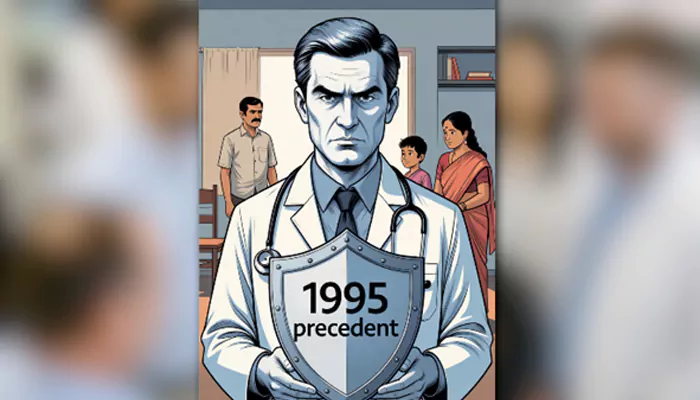
Now, as we look at the road ahead, the pressure hasn't exactly vanished. Big Pharma is still knocking, trying to "evergreen" their patents - a sneaky trick to extend monopolies by making tiny, useless changes to old drugs. But the precedent set in 1995 still stands as our shield.
Perhaps it sounds dramatic to call a trade agreement a "superpower move," but when you look at the crores saved by the average Indian family, it fits. We avoided the trap of high-cost healthcare that plagues so many developed nations.
So, next time you pay a humble amount for a strip of generic pills, remember those 1995 negotiations. They weren't just about exports and imports; they were about making sure that staying healthy didn't become a luxury only the rich could afford. It was, quite literally, the trade deal of a lifetime.