If a Rs. 1.5 Crore Home Can't Guarantee Clean Water, What Exactly Are Buyers Paying For? This Viral Post Raises Important Questions on Urban Life
- Soham Halder
- 2 months ago
- 4 minutes read
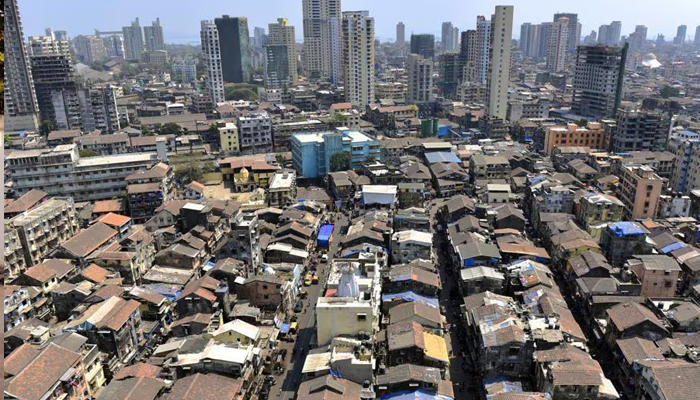
A recent viral social media post from Pune has sparked a wider conversation about the realities of urban living in modern India. The post claimed that residents of a premium housing society, where apartments reportedly cost around Rs. 1.5 crore, were receiving muddy water despite the community spending nearly Rs. 70 lakh annually on water tankers.
The claim quickly caught attention because it highlighted a frustrating contradiction. Many homebuyers invest large sums of money in premium residential projects expecting comfort, convenience, and quality services. Yet, stories like this suggest that expensive housing does not always guarantee a hassle-free lifestyle.
More importantly, the incident raises a broader question: what are people really paying for when they purchase high-value homes?
The Promise of Premium Living
Modern residential projects are often marketed as complete lifestyle destinations. Developers highlight amenities such as clubhouses, swimming pools, landscaped gardens, fitness centers, and smart security systems. These features help justify premium pricing and attract buyers looking for an upgraded standard of living.
However, for most residents, basic services such as clean water, reliable electricity, proper waste management, and efficient maintenance remain far more important than luxury amenities. When essential services become unreliable, the value of premium facilities begins to feel secondary.
The Growing Dependence on Water Tankers
The Pune incident also draws attention to a growing issue affecting many Indian cities: dependence on private water tankers. Rapid urban expansion has increased demand for water in residential areas. In some locations, municipal supply alone is insufficient to meet the needs of large housing societies. As a result, many communities rely heavily on tanker deliveries to bridge the gap.
This dependence often comes at a significant financial cost. Residents indirectly pay through maintenance charges and society expenses, expecting reliable access to clean water in return. When water quality remains poor despite these expenditures, frustration is understandable.
Expensive Homes, Everyday Problems
One reason the story resonated with so many people is that it reflects a common urban experience. Across major cities, residents frequently encounter issues such as water shortages, traffic congestion, poor drainage, parking disputes, and infrastructure limitations despite paying premium property prices.
The gap between marketing promises and day-to-day reality can create disappointment among homeowners who expected a smoother living experience. For many buyers, the true test of a housing project begins after moving in rather than during the purchase process.
What Homebuyers Are Starting to Prioritize
As urban housing markets mature, buyers are becoming more selective. Increasingly, people are evaluating projects not just based on location and amenities but also on infrastructure reliability, maintenance quality, water availability, and long-term sustainability. Questions about utility services are becoming just as important as questions about floor plans and interiors.
This shift reflects a growing awareness that quality of life depends heavily on consistent access to essential services. A luxury apartment may offer comfort, but residents still expect basic needs to be met without compromise.
This is water 🚰 from our society this week
— Vineeth K (@DealsDhamaka) June 17, 2026
No added preservatives, that’s exactly the colour of water delivered by tankers
We pay ~70L every year for water tankers, if this is the situation for us … imagine what the restaurants and roadside eateries are getting
A silent… pic.twitter.com/ng4Flp6Ajv
A Challenge for Cities and Developers
The viral discussion also highlights broader urban planning challenges. Cities are expanding rapidly, often placing pressure on existing infrastructure. Ensuring reliable water supply, waste management, transportation, and public services requires long-term planning and investment.
Developers, local authorities, and housing societies all play important roles in maintaining service quality as residential communities grow larger and more complex. Without adequate infrastructure, even premium developments can struggle to meet resident expectations.
Final Thoughts
The Pune water controversy is about more than muddy water. It reflects a larger conversation about the relationship between property prices and quality of life in India's growing cities. As homebuyers invest increasingly large amounts in residential properties, expectations naturally rise. While luxury amenities may enhance a project's appeal, residents ultimately judge their living experience based on the reliability of essential services.
The viral post serves as a reminder that premium housing is not just about impressive buildings or high price tags. For many homeowners, true value begins with something far simpler: clean water flowing from the tap.

.WEBP)