Birthday Special: Underdog to Oscar King - AR Rahman's Hollywood Struggles, Slumdog Breakthrough, and India's Global Music Win
- Devyani
- 8 months ago
- 3 minutes read

While the West looked for a "Bollywood sound," AR Rahman gave them a global pulse - paving a path from the keyboard of a jingle-maker to the golden glow of the Dolby Theatre.
Most people think Rahman’s Hollywood story began with a phone call from Danny Boyle. In reality, it started decades earlier in a small, windowless studio in Chennai, where a young A.S. Dileep Kumar was battling both grief and poverty after his father's early death. He didn’t just stumble into Slumdog Millionaire; he built the bridge to it through thousands of ad jingles and the revolutionary synth-beats of Roja.
The "Slumdog" Near-Miss
Jai Ho - the song that every Indian remembers
(@9xm.music4u/Instagram)
Can you believe he almost rejected the film that gave him two Oscars? Rahman recently admitted at TIFF 2025 that his manager at the time was terrified he’d get fired if he took the project. "Nobody will know I got fired if I don't tell them," he quipped, choosing to follow his instinct over fear. He worked on the score in complete secrecy, with his own team thinking it was just some small documentary.
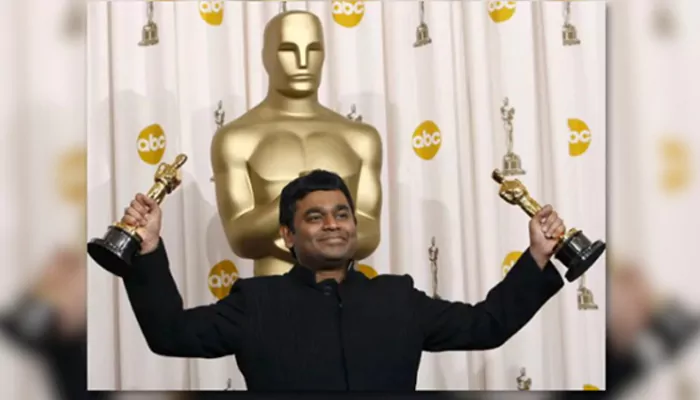
And then came the night of the 81st Academy Awards. While the world saw a poised maestro, Rahman later joked he was just "starving to look thin" for the ceremony. That night, when "Jai Ho" echoed through the hall, it wasn't just a win for a film; it was an identity shift for Indian music on the world stage.
Hollywood’s "Mozart" Hurdles
Rahman shares the story behind Andrew Lloyd Webber offering him the musical “Bombay Dreams”
(@telegraphonline/Instagram)
It wasn’t always red carpets and standing ovations. Before the breakthrough, Rahman had already been dipping his toes into international waters - scoring Andrew Lloyd Webber’s Bombay Dreams and Spike Lee’s Inside Man. But he faced a subtle, constant struggle: the West often wanted him to stay in a "musical box," expecting either traditional sitars or loud Bollywood tropes.
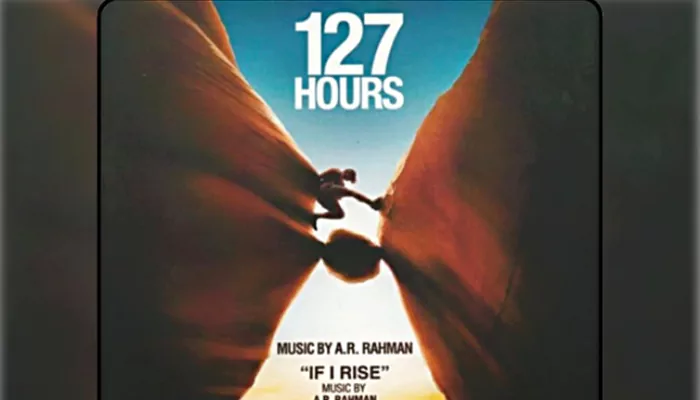
I think his real triumph wasn’t just winning the Oscar, but winning it on his own terms. He didn't dilute his sound; he expanded it. Whether it’s the haunting tracks of 127 Hours or the rhythmic soul of Elizabeth: The Golden Age, he proved that Indian classical roots can grow in any soil. Perhaps that's why he’s so relentless. He admits to "torturing" himself with perfectionism, losing sleep over technical mixing details even weeks after a project is done.

The Global Aftermath
Today, Rahman isn't just a composer; he’s an ambassador. He’s used his "Oscar power" to push into virtual reality, tech-heavy live performances, and mentoring the next generation of Indian talent. His birthday serves as a reminder that the "underdog" tag was only ever a temporary label.
He once said music was his "path to survival". Now, it seems, it’s the path for an entire nation’s musical pride to find its voice in the global conversation.
From the slums of Mumbai (on screen) to the heights of Hollywood, the Mozart of Madras remains our most consistent, quietest revolutionary. Wishing you a Very Happy Birthday to the maestro, AR Rahaman.