
Birthday Special: Jim Carrey's Birthday: From Living in a Van to $20 Million Per Film - The Depression Behind the Laughter
- Devyani
- 2 months ago
- 3 minutes read

At 12, he was scrubbing floors in a van. At 34, he pocketed $20 million per film. Yet he'd later admit neither bought him peace.
January 17, 1962. Nobody knew that a baby boy born in Newmarket, Ontario would someday make empires laugh while secretly drowning. Jim Carrey's childhood wasn't "humble beginnings" - it was scorched earth. His father, an accountant with good intentions, suddenly folded like a deck of cards, and by the time Jim turned 12, the family had migrated into a camper van parked on a relative's lawn. Not metaphorically. Actually. Sleeping bags zipped tight against the Canadian cold.
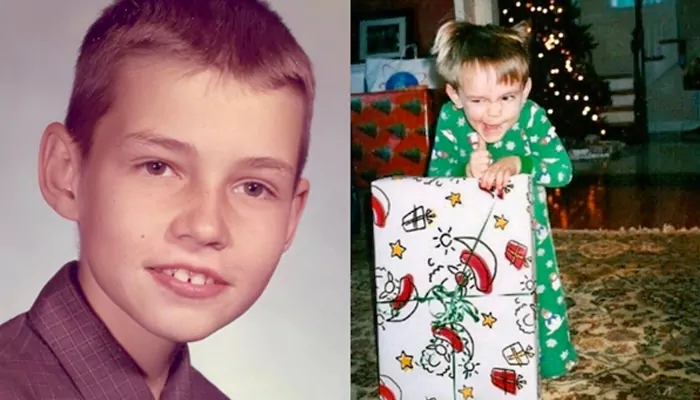
A Young Jim Carrey in the 60’s
The Janitor's Rebellion
He quit school at 15. Not for kicks. Because his mother was medicating herself into oblivion with painkillers and someone had to scrub toilets. He didn't just clean for minimum wage; he remembers wielding a baseball bat during shifts, thrashing it against walls because the anger was so thick he could taste it. The kid wanted to destroy something. Anything.
(Credit: ishoayuu)
Jim Carrey's stand-up comedy days (@jimcarrey_/Instagram)
Here's the cruel irony: he became a comedian out of pure desperation. Not talent. Survival. He'd bounce off walls, do praying mantis impressions, throw himself down stairs - not for laughs, but to make his sick mom smile. When his first stand-up bomb didn't burn him, he kept going. What did he have to lose?
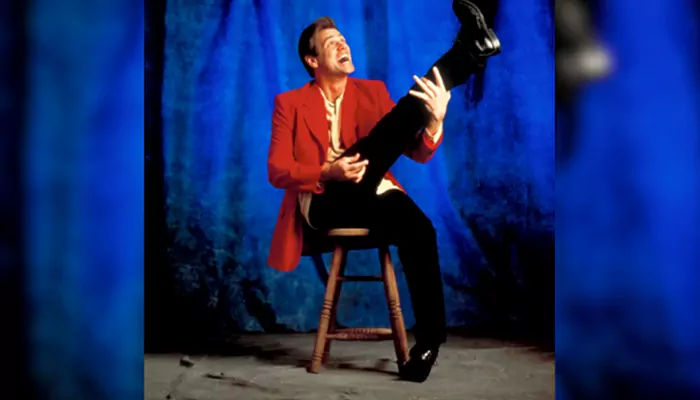
The $20 Million Curse
By the 1990s, things tilted. Ace Ventura. The Mask. Dumb and Dumber. Salaries climbed: $450K, then $7 million, then - boom - The Cable Guy in 1996, and Columbia handed him $20 million upfront. First actor ever. Heads spinning. Tongues wagging.
Jim Carrey's first major breakthrough movie was Ace Ventura
(@foxtel/Instagram)
Perhaps the sickest part? By that point, both his parents had died. His mother in 1991, his father before the real money hit. He was printing cash while the people who caused the scars were already gone, already couldn't see the victory lap.
Jim Carrey in ‘The Mask’
(@wasted/Instagram)
The Hollow Trophy
A young Jim Carrey on being different from everyone else
((@jimcarrey_/Instagram)
Fame turned out to be a trap dressed as a gift. He'd come home from film sets feeling hollowed out, despite millions adoring him. The pressure to stay "on" - to keep performing the energetic mask for interviews, red carpets, cameras - was suffocating. Depression never left. It just put on expensive clothes and showed up to award ceremonies.
A story you should hear
(@thetipsycriticreview/Instagram)
He even admitted to anticlimactic moments where $35 million in offers sat on the table and he wanted to burn it. That's not gratitude speaking; that's existential rot. You can fail at what you don't want to do, he once said. Turns out succeeding at what you do want doesn't guarantee you'll stop failing yourself.
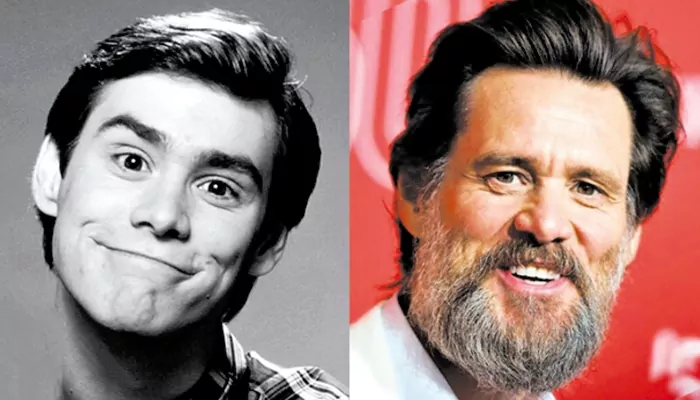
Jim Carrey then vs now
By his 50s, Carrey ditched the films, found spirituality, and started painting. He'd publicly state that fame and riches aren't the answer - which, naturally, sounded hollow coming from a guy worth $180 million.
But maybe that was the only truth he had left to offer: that laughter built on broken bones never really heals. Wishing you a Healthy and Happy Life to you, Jim!
