IPL 2026: Relegation & Consequences Over More Matches – Why League-II is a Better Option?
- Rohit Chatterjee
- 4 months ago
- 4 minutes read
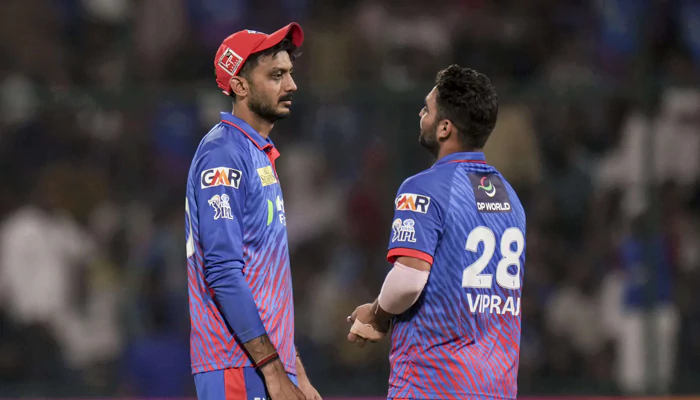
According to multiple rumours on the internet, the IPL committee is thinking of expanding the tournament to 94 matches
After 18 years of thrilling cricket action, it finally seems the Indian Premier League (IPL) is losing the fandom it has enjoyed over the past two decades. From the tournament becoming a one-sided affair for batters to fans questioning the sport’s integrity due to a sudden turnaround by bottom-placed teams, the IPL has been criticised from several quarters and is trying to find ways to restore its dominance in T20 domestic cricket.
To do so, rumours suggest that the IPL is hoping to expand the league with 94 matches from 2028 onwards. However, in our book of thoughts, IPL doesn’t need more matches; it needs a second-tier league and a relegation system – here’s why.
Dominance of a few teams
The IPL started in 2008 with eight teams, and over the years it grew to 10 with the addition of two more. However, among 10 teams, the battle for the trophy has mostly been between a few, such as the Chennai Super Kings, Mumbai Indians, and Kolkata Knight Riders.
ON THIS DAY IN 2019 🏆💙
— KRIK-MATE👑 (@krik90mate) May 12, 2026
MI beat CSK by 1 run in one of the most dramatic IPL finals ever.
Rohit’s men became 4-time IPL champions — and Malinga’s last ball became history. 🔥 pic.twitter.com/cjpmOKvYJj
On other occasions, teams such as Rajasthan Royals, Sunrisers Hyderabad, and Royal Challengers Bengaluru have put up a fight in the playoffs and qualifiers, but the bottom line is that these teams have managed only one trophy each since the inception of the tournament.
Second-tier league
Despite the dominance of a few teams and the lack of trophies for the others, the 10 teams continue to appear every season, profiting from match revenues, sponsors, and so on. In short, winning or losing doesn’t matter; money keeps flowing into every team’s account.
Worlds Coldest and Beautiful Cricket Ground ❤️🏔️
— The Adventurous Soul (@TAdventurousoul) September 12, 2024
📍Drass, Kargil, Ladakh, India🇮🇳
Drass is a town located in Kargil district of UT Ladakh. It is the second coldest inhabited place on earth. It is at a height of 3230 m. It is often called the
‘Gateway to Ladakh’. pic.twitter.com/rbEXQkbyHo
And this is why a second league is required. Even in 2026, the teams playing in the IPL don’t represent all the states or regions of India. Therefore, what if a second-tier league is introduced with teams from those non-represented regions? Such a league not only increases the IPL's presence in remote regions of India but also provides more players an opportunity and keeps the action going throughout the year.
How?
If the first- and second-tier leagues do not play simultaneously, we can maintain the action throughout the year. For example, let's say IPL is played in March, April and May. Once the IPL is over, the bottom two teams are relegated to the second-tier league.
The second-tier league begins after the IPL gets over, with eight new teams and two relegated teams. In the next season, the top two teams from the second-tier league move up to the IPL, and the cycle continues.
The need for relegation
🚨𝐈𝐏𝐋𝟐𝟎𝟐𝟔 | 𝐃𝐂𝐯𝐏𝐁𝐊𝐒 | 𝐓𝐀𝐑𝐆𝐄𝐓🚨
— All India Radio News (@airnewsalerts) May 11, 2026
🏏Punjab Kings set a target of 211 runs for Delhi Capitals
𝑩𝒓𝒊𝒆𝒇 𝑺𝒄𝒐𝒓𝒆:
PBKS: 210-5 (20)
📍Dharamshala#TATAIPL | #KhelBindaas | #PBKSvDC pic.twitter.com/ybdKWwVMvv
Relegation is required because teams like the Delhi Capitals, Punjab Kings, Lucknow Super Giants, and several others have had enough opportunities to lift the trophy. Merely reaching the playoffs or qualifiers is not enough; winning the trophy matters, and if not, there needs to be a consequence for the teams.
In the present format, there are no consequences for the teams. Regardless of whether they win or lose, teams return each year for the fandom, fame, and money. To be honest, most players feel little or no regret, except a few passionate ones. The hefty fees and perks attract most players who participate only in the IPL, as well as foreigners who travel to India for it.
Therefore, if IPL wishes to grow into a more serious cricket competition, it needs to bring in more teams from remote regions, coupled with consequences, rather than expanding the number of matches for the same bunch of teams.


.webp)
.webp)